Welcome to The Defender Diaries.
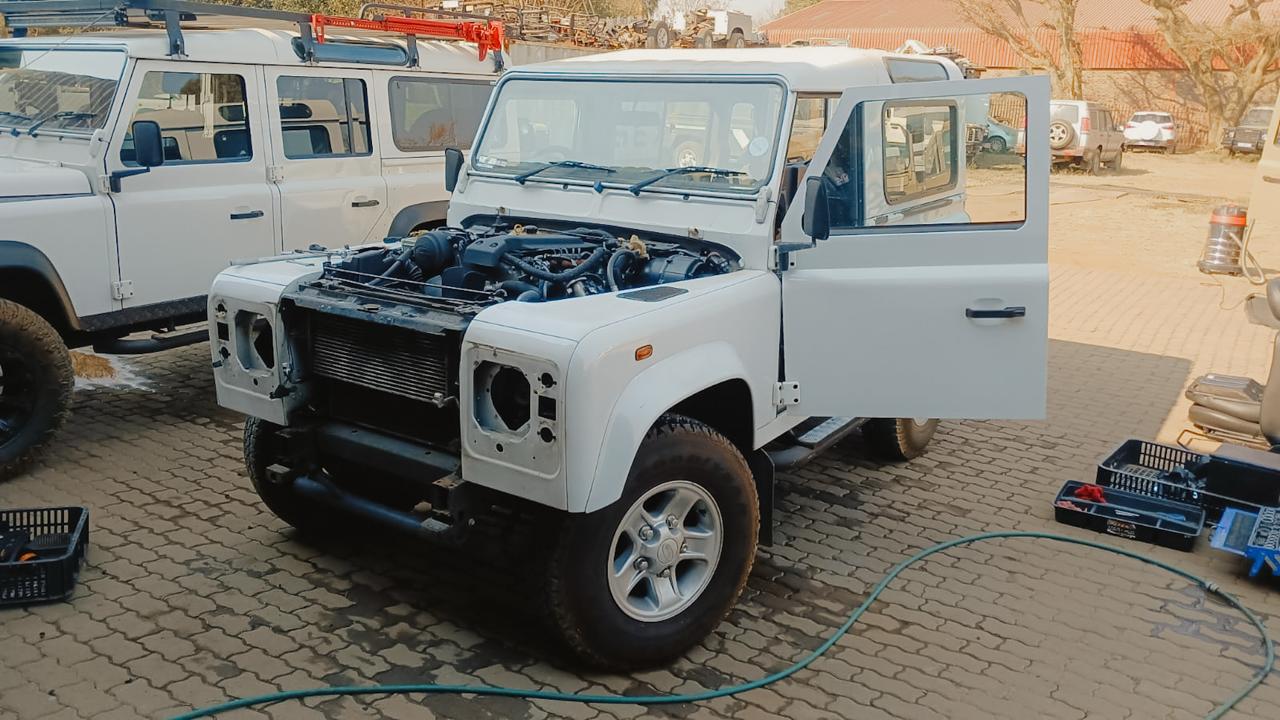
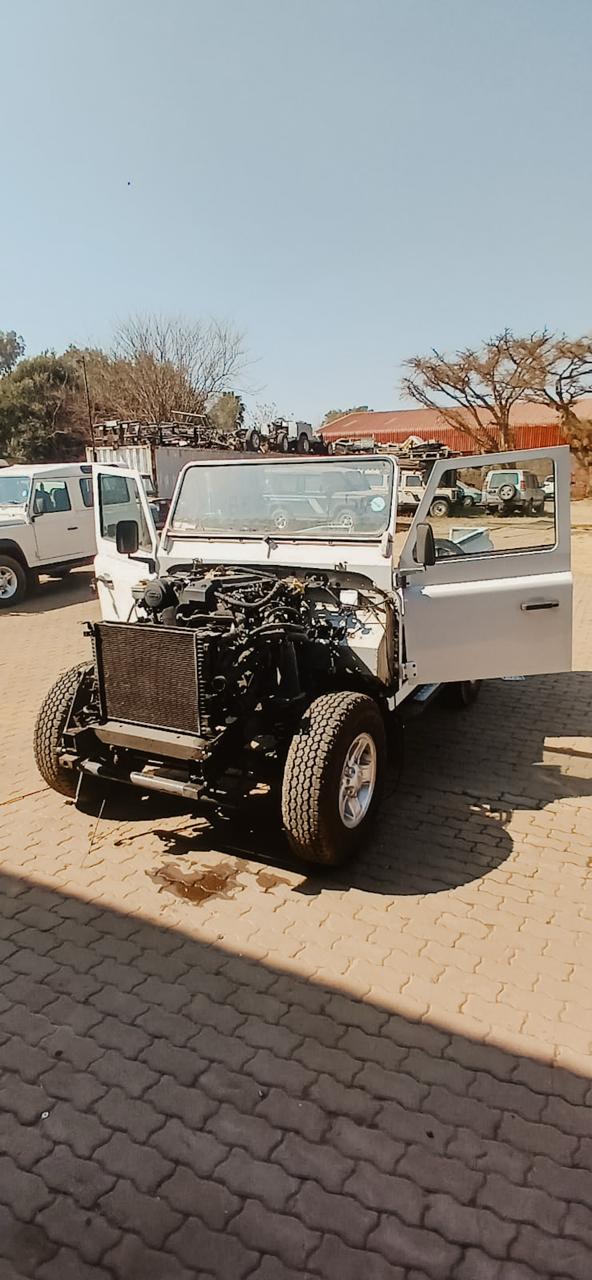
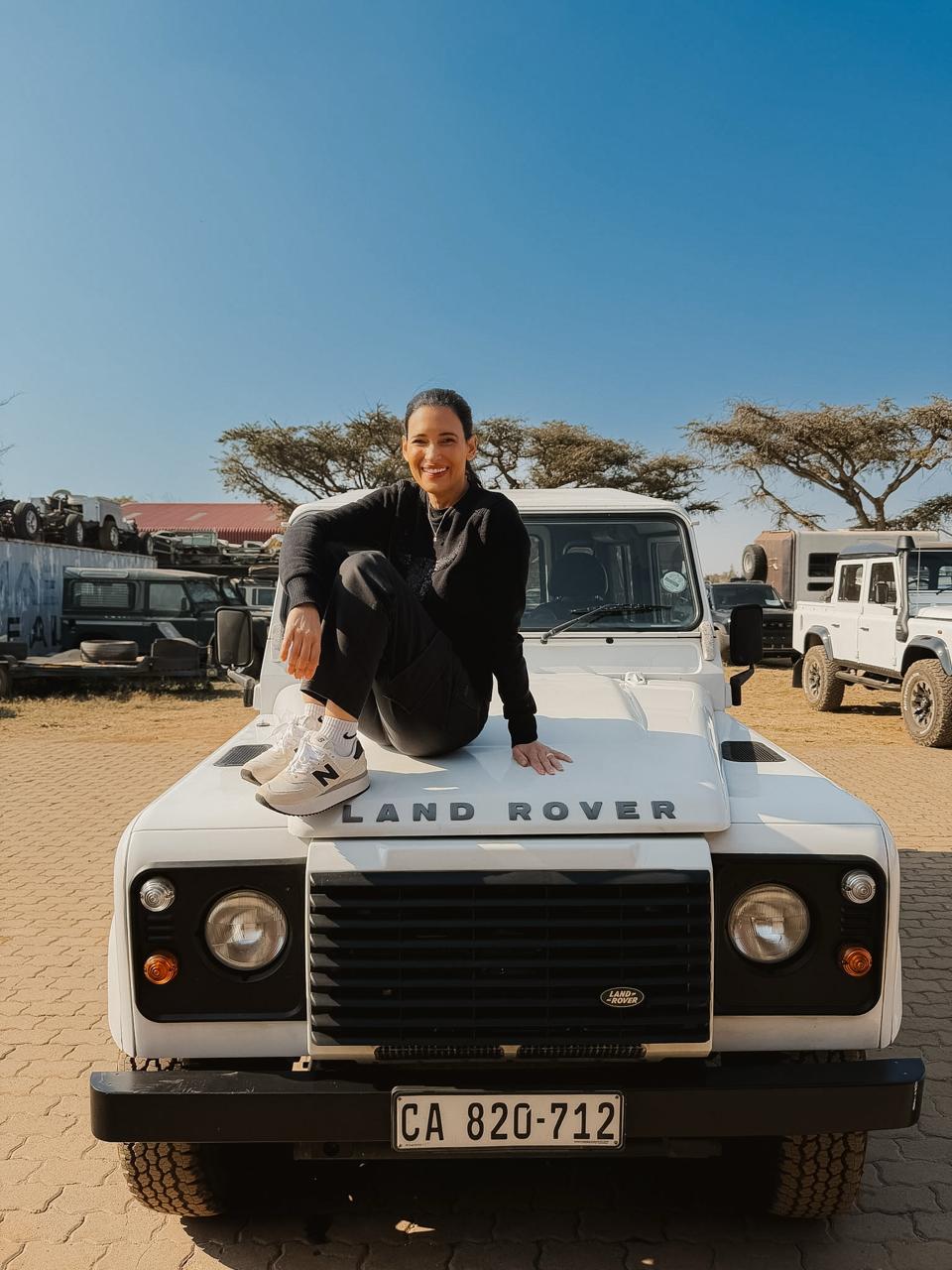
Over the coming months, I’m going to share the rebuild of our Land Rover Defender 90 — from the rather ordinary white Defender we bought, through its complete dismantling, restoration and eventual transformation into something very different.
But before I show you what we are doing, I should probably explain why we are doing it at all.
Why a Defender?
For me, the Defender has always belonged to Africa.
Not exclusively, obviously. You will find them on farms in England, mountain tracks in Europe and everywhere else Land Rover managed to sell them.
But in Africa they somehow make particular sense.
They have transported guides, conservationists, farmers, photographers, families, luggage, supplies and countless safari guests across some of the most extraordinary landscapes on earth.
And because so much of what we do at The Safari Gals is about Africa, adventure and travelling properly rather than simply moving from one beautiful hotel to another, a Defender felt strangely appropriate.
There is also something wonderfully contrary about them.
A traditional Defender is not luxurious in any conventional sense. The doors are thin. The driving position is peculiar. The dashboard was designed at a time when ergonomics appeared to be regarded as a passing fashion. At speed, conversation can become an act of determination.
And yet people adore them.
I think it is because a Defender has something increasingly rare in modern cars: character.
You don't simply travel in one. You participate in driving it.
For a business built around travel, that appealed to me enormously.
Why the 90?
Once we decided on a Defender, there was another question.
Which one?
A 110 is unquestionably more practical. It carries more people, more luggage and makes considerably more rational sense.
Which is precisely why we bought a 90.
The short-wheelbase Defender has proportions that are almost impossible to improve upon. It is compact, upright and slightly absurd. The wheels seem to sit at the four corners and there is virtually nothing on the vehicle that isn't there for a reason.
It also has a personality that the longer Defenders don't quite share.
This wasn't intended to become a safari transfer vehicle or something carrying six guests and their luggage. It was going to be something much more personal — a Defender I could actually use, enjoy and take on adventures.
So the 90 won.
Finding the right one
I wasn't looking for a concours-condition collector's car.
In fact, buying a perfect Defender would have been rather pointless because we intended taking almost everything apart anyway.
What mattered much more was having the right foundation.
We eventually found a 2011 Defender 90 Puma 2.4 TDCi.
It had several things I specifically wanted. It was still unmistakably an old Defender, but late enough in the model's life to give us a better starting point for a car that would actually be driven regularly.
And that distinction became important very early in the project.
We are not trying to turn a Defender into something it isn't.
Nor are we creating one of those restomods where virtually the only remaining connection to the original vehicle is its silhouette.
The brief became much simpler:
What might Land Rover have built if it had continued developing the classic Defender into 2026?
That sentence has guided almost every decision since.
Choosing who would build it
Having an idea is the easy part.
Finding people prepared to execute it properly is rather more important.
We chose LR Defenders for the rebuild, and one of the things I liked from the beginning was that they understood that this wasn't simply going to be a cosmetic restoration.
The car needed to come apart.
Completely.
Once you start looking beneath the paint on an older Defender, it becomes obvious why this matters. These cars were designed to be repaired and rebuilt, and after fifteen years there is very little point spending money on beautiful leather and paint while ignoring everything underneath it.
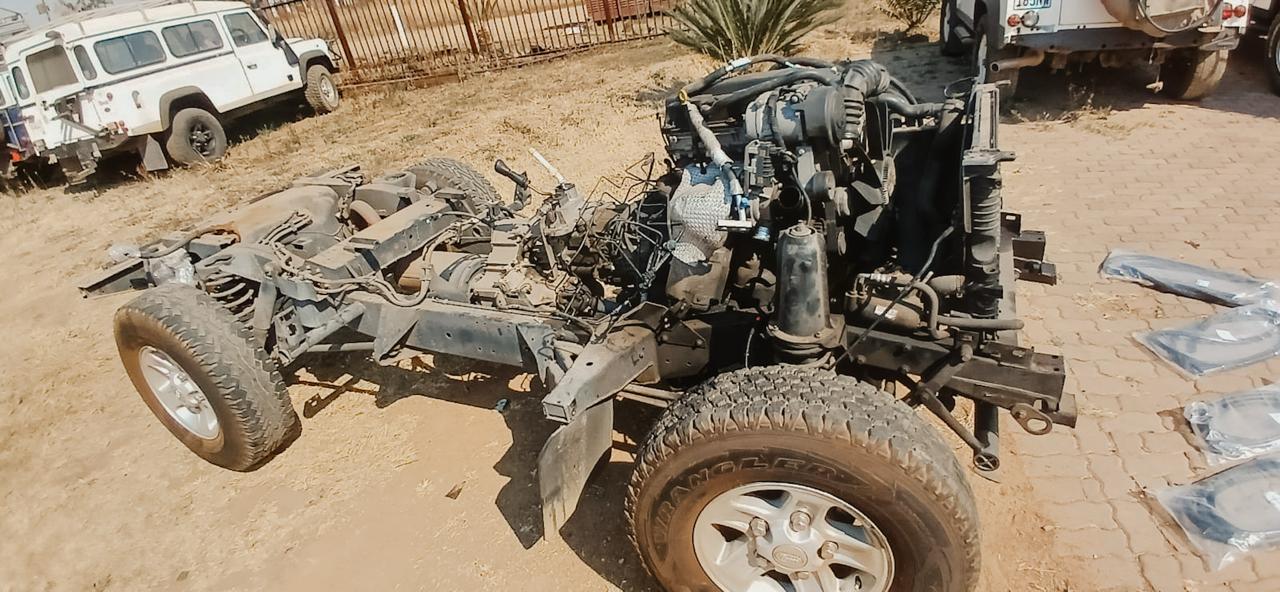
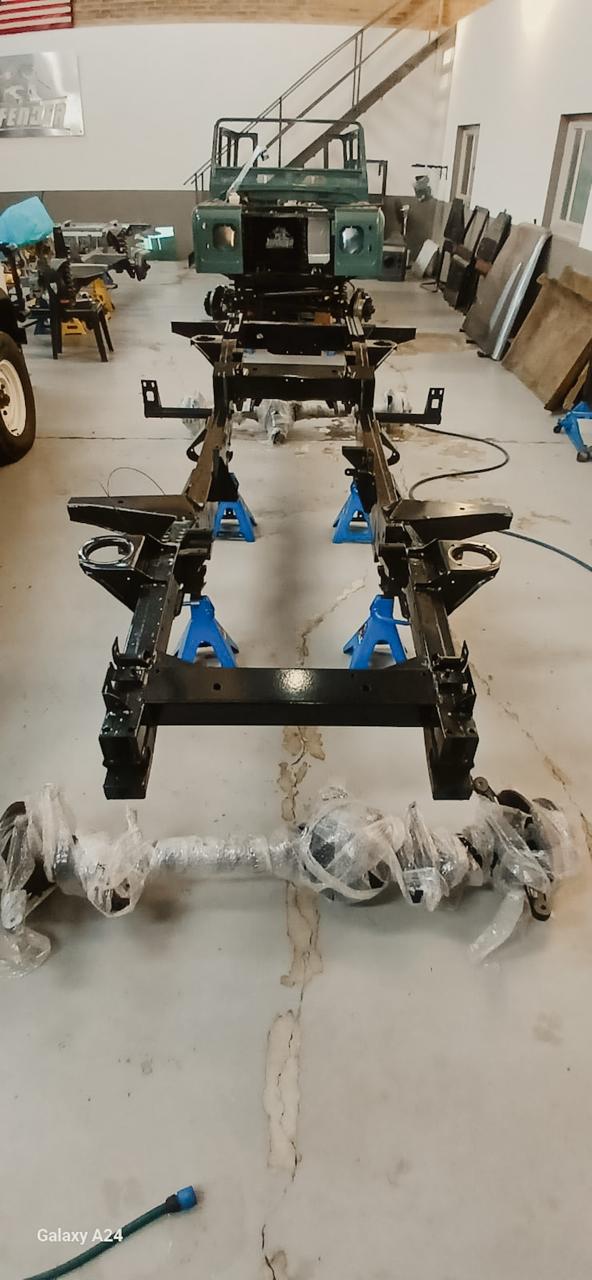
So our Defender was dismantled down to its constituent parts.
Body panels came off.
Doors came apart.
The axles were removed.
The chassis was stripped.
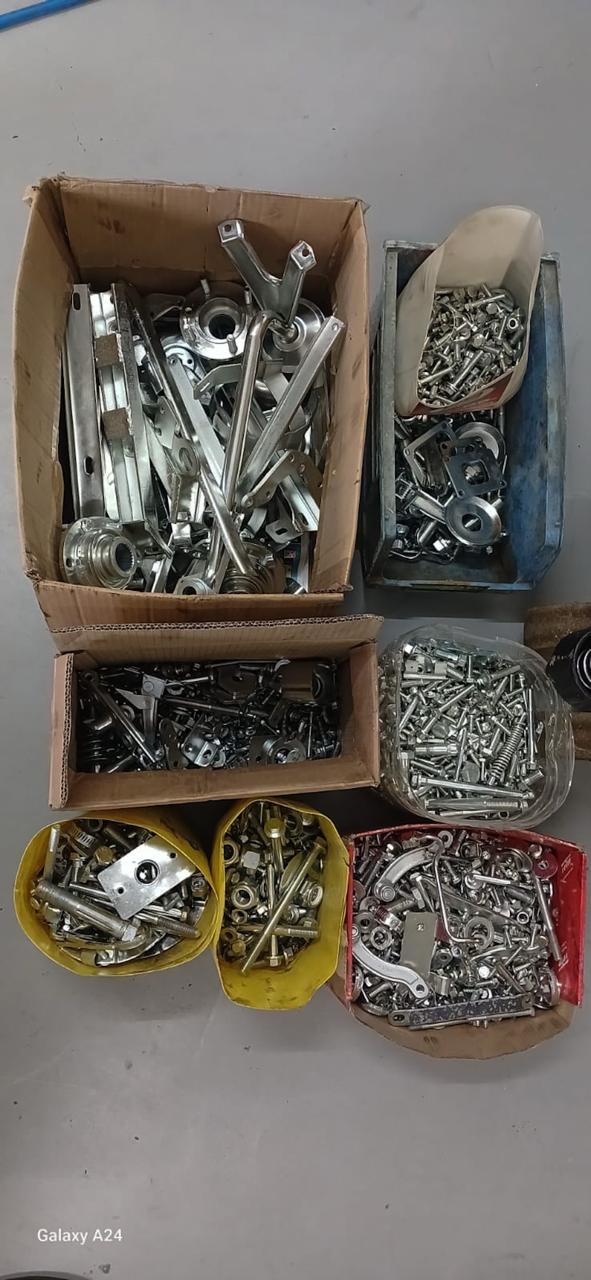
Fasteners, brackets and fittings were inspected individually. Where parts could be restored, they were restored. Where they needed replacing, they were replaced.
That is not particularly glamorous.
It is, however, the difference between redecorating an old Defender and rebuilding one.
The dangerous part: choices
Then came the fun part.
And, predictably, the part where a relatively straightforward restoration began to become rather less straightforward.
I didn't want a showroom recreation of a 2011 Defender.
I wanted the exterior to retain the simplicity and honesty of the original vehicle, while the places you actually interact with — the cabin, controls, seating, sound, lighting and driving experience — could be substantially improved.
That means modern conveniences where they genuinely improve the car, without turning the dashboard into something resembling a spaceship.
We have therefore planned proper sound deadening, upgraded audio with Apple CarPlay, improved cameras and parking visibility, electric windows, heated seats, better lighting and a series of small ergonomic improvements.
But the Defender architecture stays.
The manual gearbox stays.
The character stays.
Even with the suspension, the objective isn't to create an extreme off-road truck. It will remain properly Defender-capable, but most of its life will be spent on tar. There is no point destroying its road manners simply so that it looks as though it is permanently on its way to conquer the Rubicon Trail.
The same philosophy has governed the interior.
Rather than trying to make it resemble a modern Range Rover, we are using materials that could plausibly belong in a Defender: saddle/tobacco leather, timber, metal and simple, tactile controls.
Modern, yes.
Delicate, no.
And then there was the colour
This may have occupied considerably more of my life than I am prepared to admit.
White was never staying.
Defenders can carry colours that would overwhelm almost any other vehicle, partly because their bodywork is broken into such simple geometric shapes.
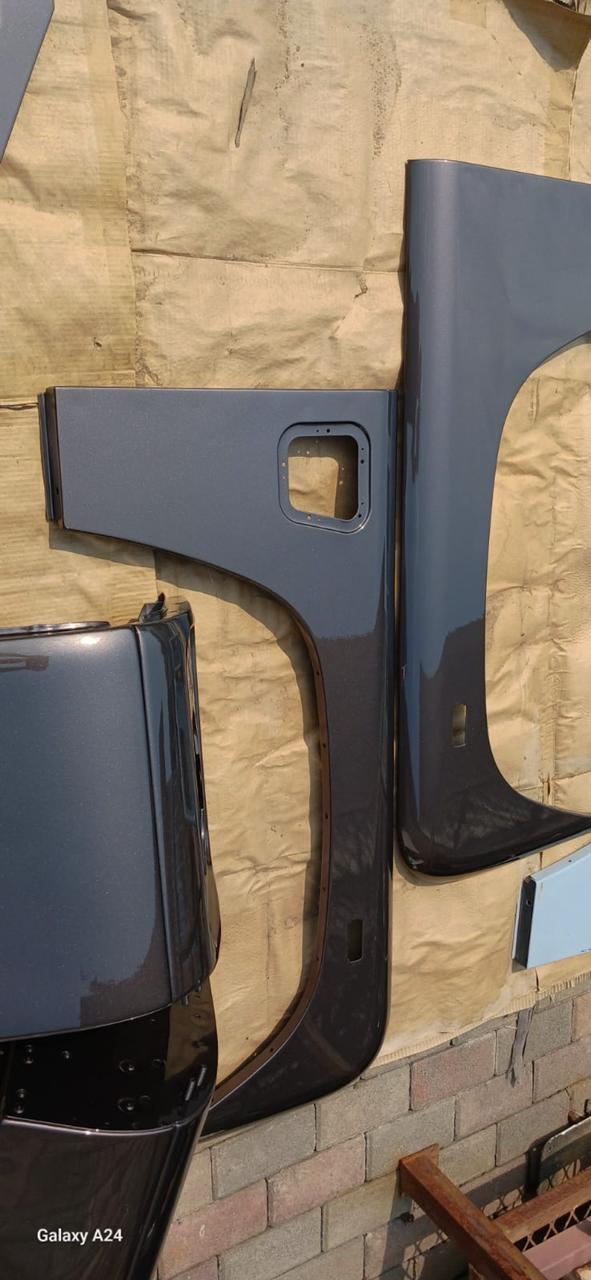
Eventually we settled on a rich metallic brown — Tourmaline Brown Metallic.
In shade it can appear dark and almost restrained.
Then the sun catches the metallic and the whole thing changes.
That was exactly what I wanted: a colour with depth rather than something that simply announced itself from across a car park.
Seeing the first freshly painted panels laid out in the sun was probably the first moment the project stopped looking like a dismantled old Land Rover and started looking like our Defender.
Where we are now
At the moment, our Defender exists mostly as beautifully painted panels, a restored chassis and an alarming number of carefully organised components.
Which means we have reached one of my favourite stages of any project.
The destructive part is largely finished.
Now we start putting it back together.
And that is where this series will really begin.
Because there are still wheels and tyres to choose, suspension to finalise, seats to build, timber floors to make, aluminium controls to machine, sound systems to hide and approximately three thousand tiny decisions that nobody sensible would ever make about a fifteen-year-old Land Rover.
I can't wait.
Next in The Defender Diaries: Building a Defender for 2026 — how modern should an old Defender become?